5G COMPAD 2.0
An EDF project developing secure, resilient, and deployable 5G-based communication capabilities for multi-domain defence operations.
Share solution:

Challenge
Modern defence operations require fast, secure, and resilient connectivity across national borders, operational domains, and branches of the armed forces. Existing military radio systems were not designed for the data volumes, low latency, and interoperability demands of today’s battlefield, while the use of civilian communication networks in defence raises important questions around security, resilience, control, and trust.
Project aims and scope
5G COMPAD 2.0, or 5G Communications for Peacekeeping and Defence 2.0, is the next phase of the European Defence Fund programme exploring how civilian communication networks and devices can strengthen European defence capability. While the first phase demonstrated that adapted 5G technologies can be integrated with existing defence communication systems, this phase moves from proof of concept toward deployable systems, common standards and mature operational capabilities.
The project covers all operational domains — land, sea, air and space — and focuses on several advanced technology areas, including network-as-a-sensor capabilities, precise positioning through mobile network infrastructure, automatic network setup, non-terrestrial networks and dynamic spectrum sharing. Cyber and information security are addressed as core requirements across all workstreams.
By combining civilian 5G expertise with defence-system integration, 5G COMPAD 2.0 will help define how European armed forces can use advanced communication networks securely, reliably and interoperably in demanding multi-domain environments.
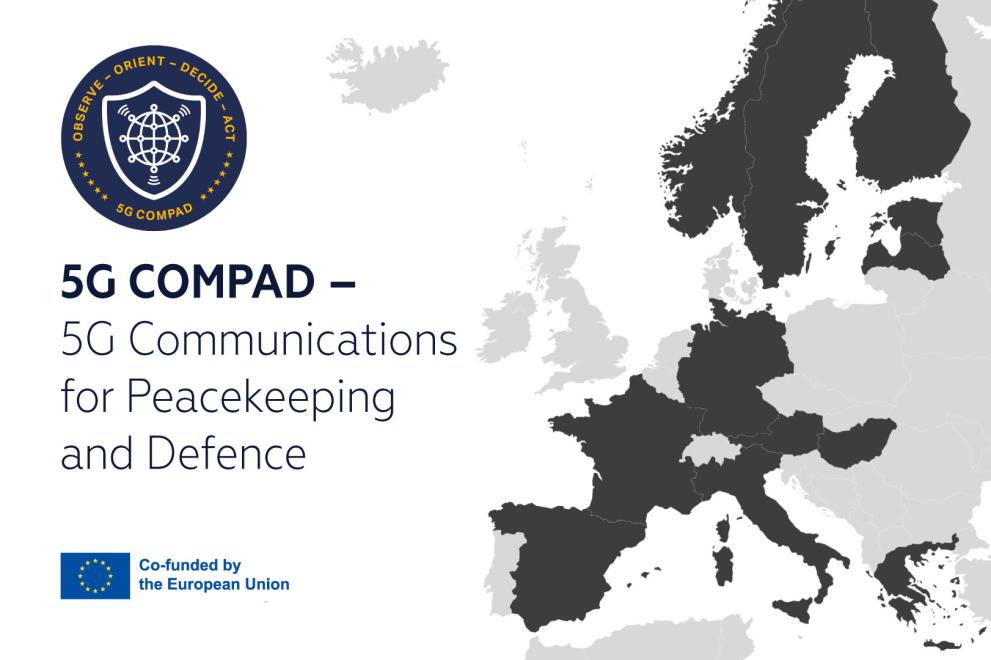
5G COMPAD 2.0 brings together a consortium of leading 5G technology companies and the strongest European defence system integrators and providers, network operators, research institutes, and technology SMEs from 13 countries.
The project consortium consists of 18 participants: Saab (coordinator), AIT Austrian Institute of Technology, Bittium, Cafa Tech, Eight Bells, Ericsson, Intracom Defense (IDE), Kongsberg Defence Communications, LMT, Leonardo, Nokia Networks France, Rheinmetall Electronics, Sintef, Space Hellas, Synkzone, Telefonica Ingeneria de Seguridad, Telenor, and Thales.
The project will take over 36 months, from December 2025 to 2028.
LMT in 5G COMPAD 2.0
LMT participates in 5G COMPAD 2.0 as a consortium member and mobile network operator, contributing direct expertise in 5G deployment, private network architecture and the secure integration of civilian communication infrastructure with defence needs.
The work continues LMT’s involvement in the first phase of 5G COMPAD, where the company contributed to demonstrating 5G’s potential in defence communication contexts. In 5G COMPAD 2.0, LMT’s role is particularly relevant to the network-as-a-sensor workstream and to the broader question of how civilian operator networks and military systems can work together securely and effectively.
LMT also serves as the project’s communication lead, supporting the consortium through information dissemination and related technical and organisational communication activities.
The project is co-funded by the European Union under the European Defence Fund.
Project: 101218568 — 5G COMPAD 2.0 — EDF-2024-DA
Views and opinions expressed are those of the author(s) only and do not necessarily reflect those of the European Union or the European Commission. Neither the European Union nor the granting authority can be held responsible for them.

Related news
October 6, 2025
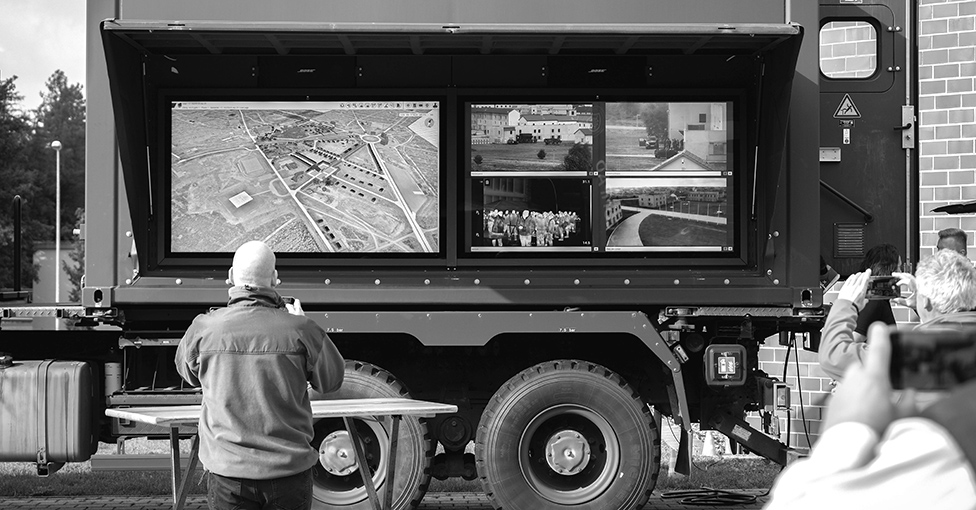
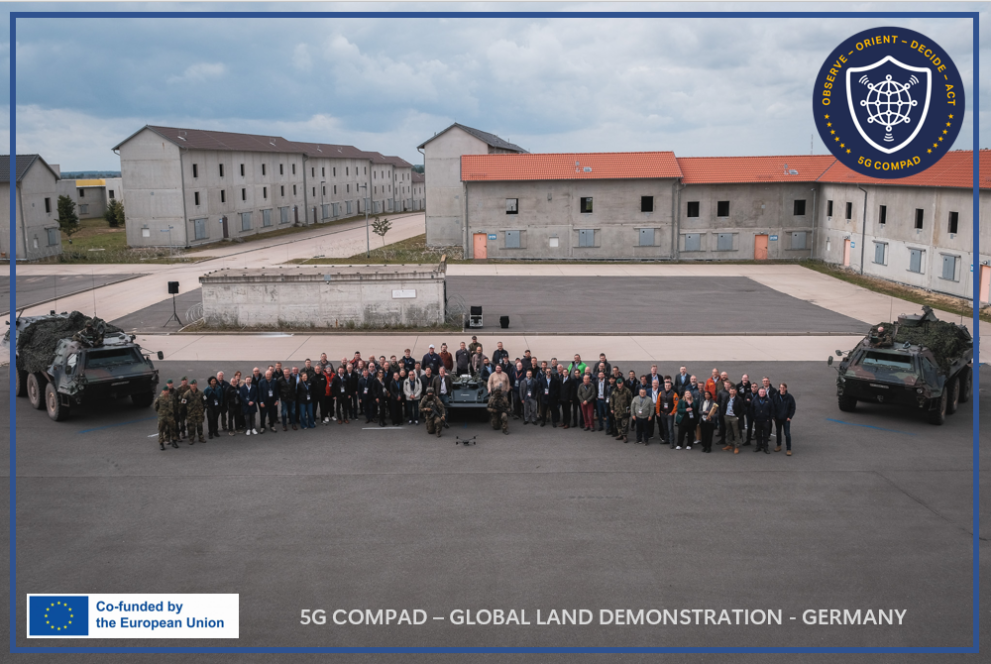
5G COMPAD Demonstrated Advanced Military Communication Capabilities in Germany
May 8, 2025
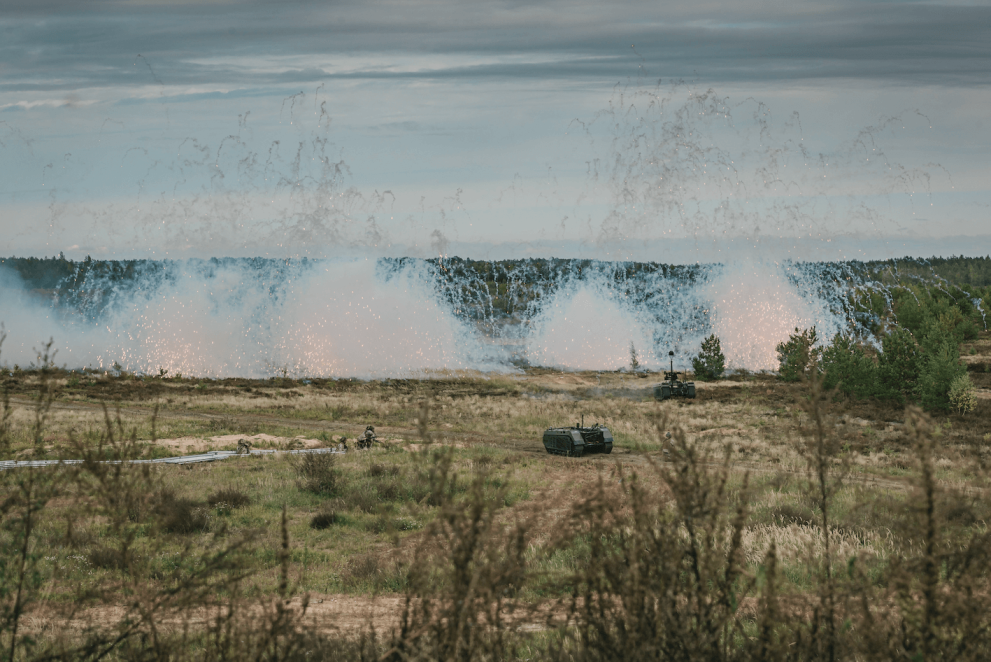
LMT takes a leading role in European Defence Fund 5G, drone, and command & control projects
January 30, 2023
European 5G leaders join forces with Europe's defence industry in 5G COMPAD